
Thorough description of creatures found only on Miyako Island! Introducing endangered species, natural monuments, and more!
Thorough guide to creatures found only on Miyako Island
Basics and manners to know before observation
Miyako Island is famous as a tourist destination, but it is actually known as a "Endemic species found only on Miyako Islandand "endangered species"natural monumentIt is also a habitat for many creatures designated as
When enjoying nature observation,Do not touch or catch living creatures, and refrain from photographing them with flash.By following basic rules such as the following, we can preserve the rich nature of Miyako Island for the future☆.
◆Those who want to know about the creatures that are only found on Miyako Island.
◆Those who want to know about endangered species and natural monuments of Miyako Island.
Those who want to join a tour to meet creatures in Miyako Island.
List of creatures found only on Miyako Island
Tips on where and when to meet
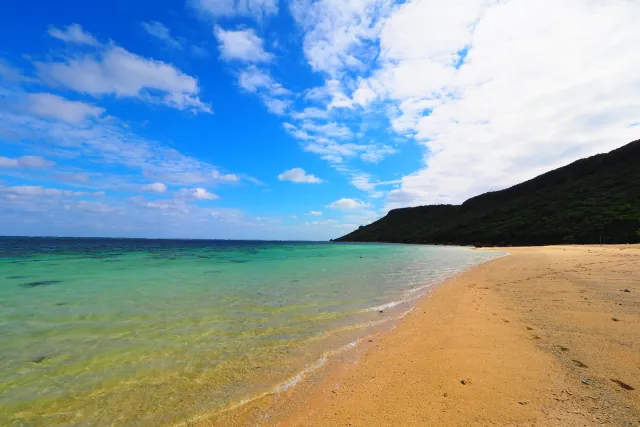
Miyako Island is home to a variety of creatures adapted to the diverse environment, from the sea to the land and mangrove forests.
Another appealing aspect is that knowing the best time to observe increases your chances of spotting them!
Particularly,Animals are active early in the morning and at dusk.This is recommended because it will
Endemic to Miyako Island
Typical examples of animals and plants
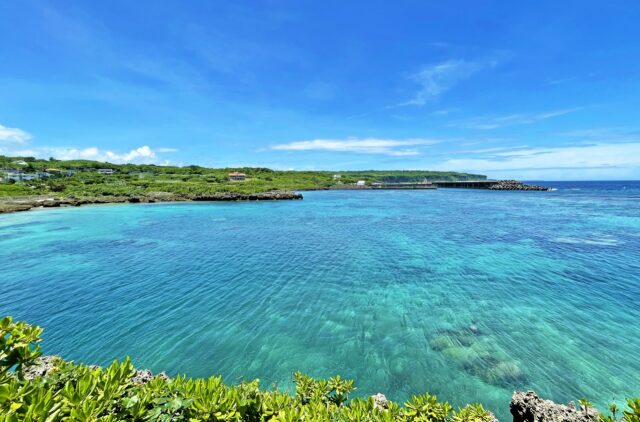
The most famous endemic species of Miyako Island is the "3rd note in the tonic solfa representation of the diatonic scaleYako's toad (Bufo yakotensis, species of circumglobal toad)and "black-legged katydid (Grampus griseus)".
Also, in plants, "Carolina horsenettle (Solanum carolinense)is known to have adapted to the island's unique environment!
Miyako toad (Bufo gargarizans miyakoi)
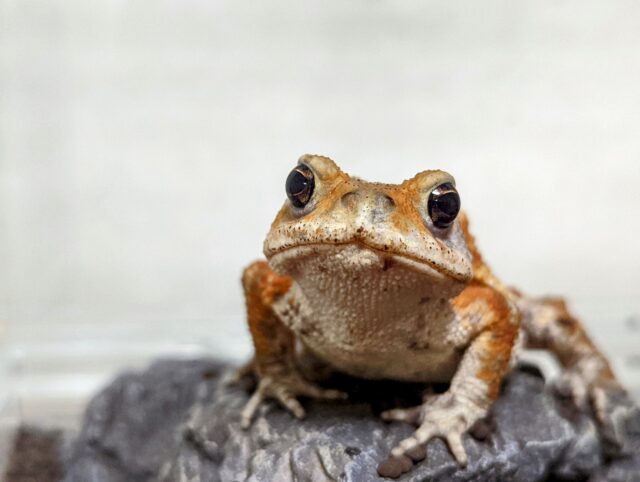
It is an endemic frog found only on nocturnal Miyako Island,Rare species designated on the Red List by the Ministry of the EnvironmentIt is.
Especially active on rainy nights.figurecan be observed.
It can be seen along roads and by the water, and is one of the creatures that symbolize the nature of Miyako Island☆.
black-legged katydid (Grampus griseus)
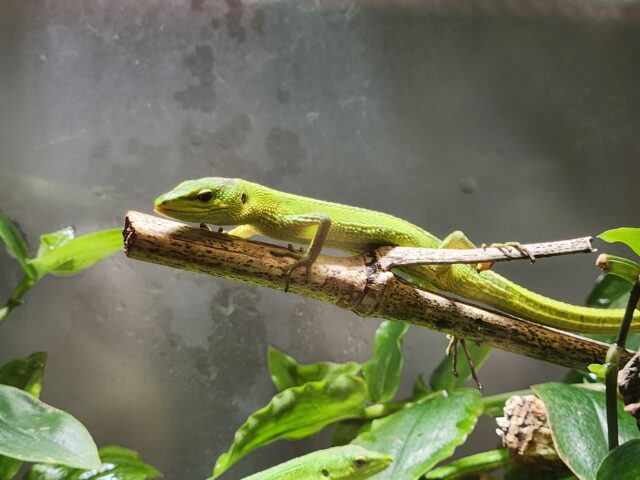
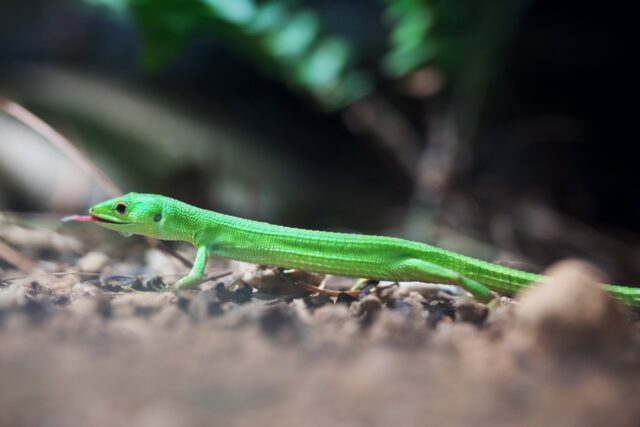
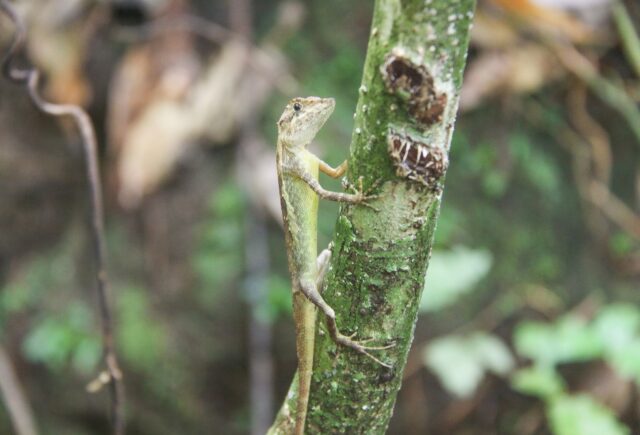
Beautiful bright emerald green body color,Lizards endemic to the Miyako IslandsIt is.
Classified as Endangered IAIt is,A valuable natural monument.and are often seen sunbathing on rocks and grassy areas.
Although small in size, their vivid appearance attracts observers and gives them a sense of nature that is unique to Miyako Island.
Season and time of year when it can be seen
Describes the topography and environment of the best spots
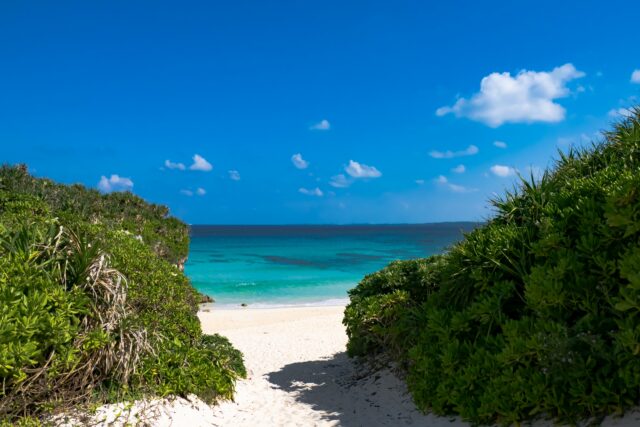
Insects and frogs are active in spring and summerand thenAutumn and winter are the best season for bird watchingwill be!
In mangrove forests and wetlands, many crustaceans and fish can be observed at low tide!
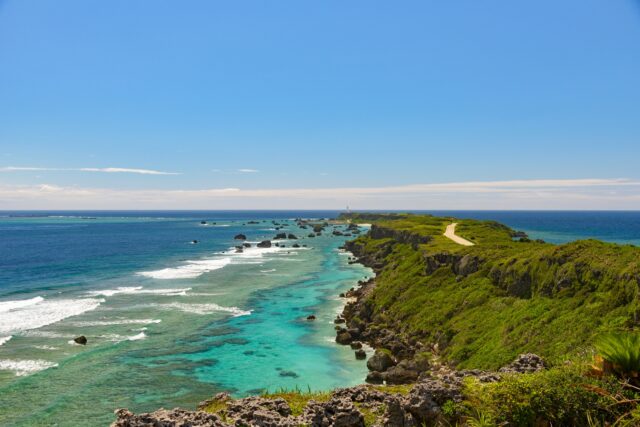
Furthermore, Miyako Island has many limestone uplands,Excellent observation spot for endemic plantsThe first two are the following.
Endangered and Natural Monument Animals on Miyako Island
Observation Rules and Updates
Miyako Island has a rich natural environment,Home to many endangered species and natural monumentsI am doing this.
A representative species is the globally rare "black-legged katydid (Grampus griseus)and a prefectural-designated natural monument, "gray-faced buzzardThe first is the "M" in the "M" column.
Miyakojima City prohibits the act of capturing, killing, damaging, or collecting these species.(Japanese) Natural Conservation OrdinanceThe company has established the "Mutual Aid Association (MAA)" and the "Mutual Aid Association (MAA),Violators may be fined.The following is a list of the most common problems with the
When observing, it is important not to touch or take home any plants or animals and not to feed them.
Endangered species on Miyako Island
Miyako Island is home to thecoconut crab (Birgus latro)"Miyako hora cockroach (Pycnoscelus antarctica)"Miyako HivaaThe area is inhabited by a variety of creatures, such as the "Hinokishin," or "the Hinokishin.
coconut crab (Birgus latro)
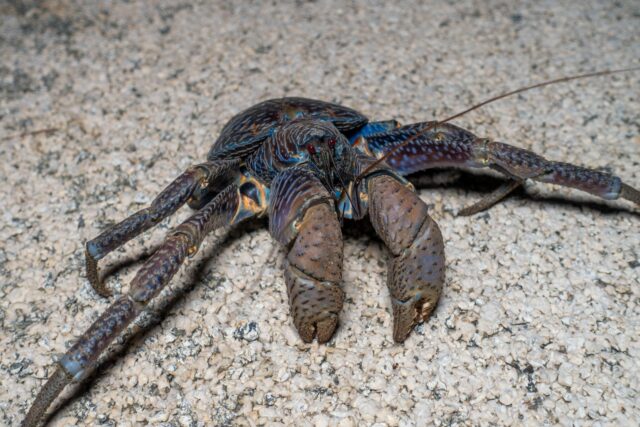
One of the largest terrestrial crustaceans in the world, it is named for its powerful scissors and its ability to break open even coconuts.
On Miyako Island, they are nocturnal and can be found in forests and along the coast at night!
Designated as a national natural monumentThe company has beenCapturing and taking home is prohibited.The following is a list of the most common problems with the
Their powerful appearance makes them a popular night tour observation target.
Miyako hora cockroach (Pycnoscelus antarctica)
Miyakohola anadromous cockroaches areExtremely rare insect discovered for the first time in 52 yearsIt is.
They are a few millimeters long, pale yellowish-white, have small eyes, and even males have short, degenerate wings.
ruddy kingfisher (Halcyon coromanda)
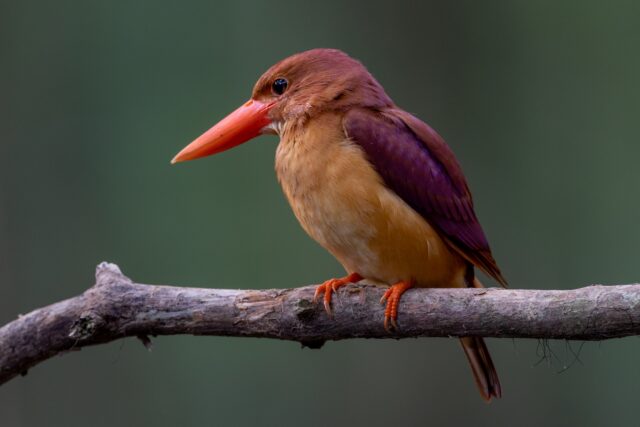
This summer migratory bird, with its striking red beak and reddish-brown plumage all over its body, is known for its "kyororo kyororo..." call.
On Miyako Island, they fly in from May to July and breed in forests and woodlands.
On the Red List of the Ministry of the Environmentnear-threatened speciesand is designated as aObservable only during limited seasonsThat's it!
Miyako Hivaa
Miyako Hibaa is,An endemic snake found only in the Miyako Islands of Okinawa Prefectureand has a black and white pattern.
Classified as Endangered IB on the Red List of Japan's Ministry of the EnvironmentThe company has beenRare snake, also designated as a domestic rare wild animal and plant speciesIt is.
Characteristics of Natural Monument Animals and Manners for Photographing Them
Strictly no catching and no touching.
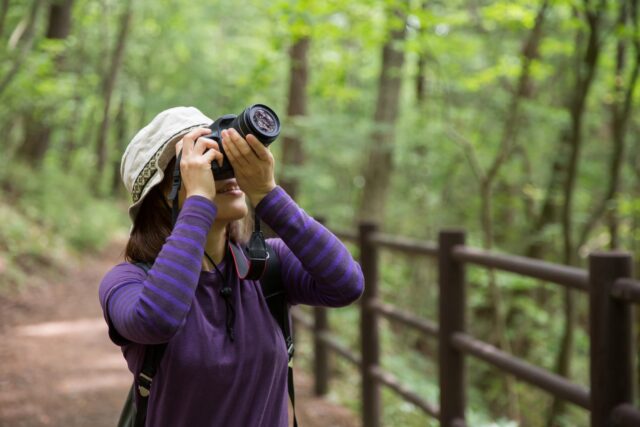
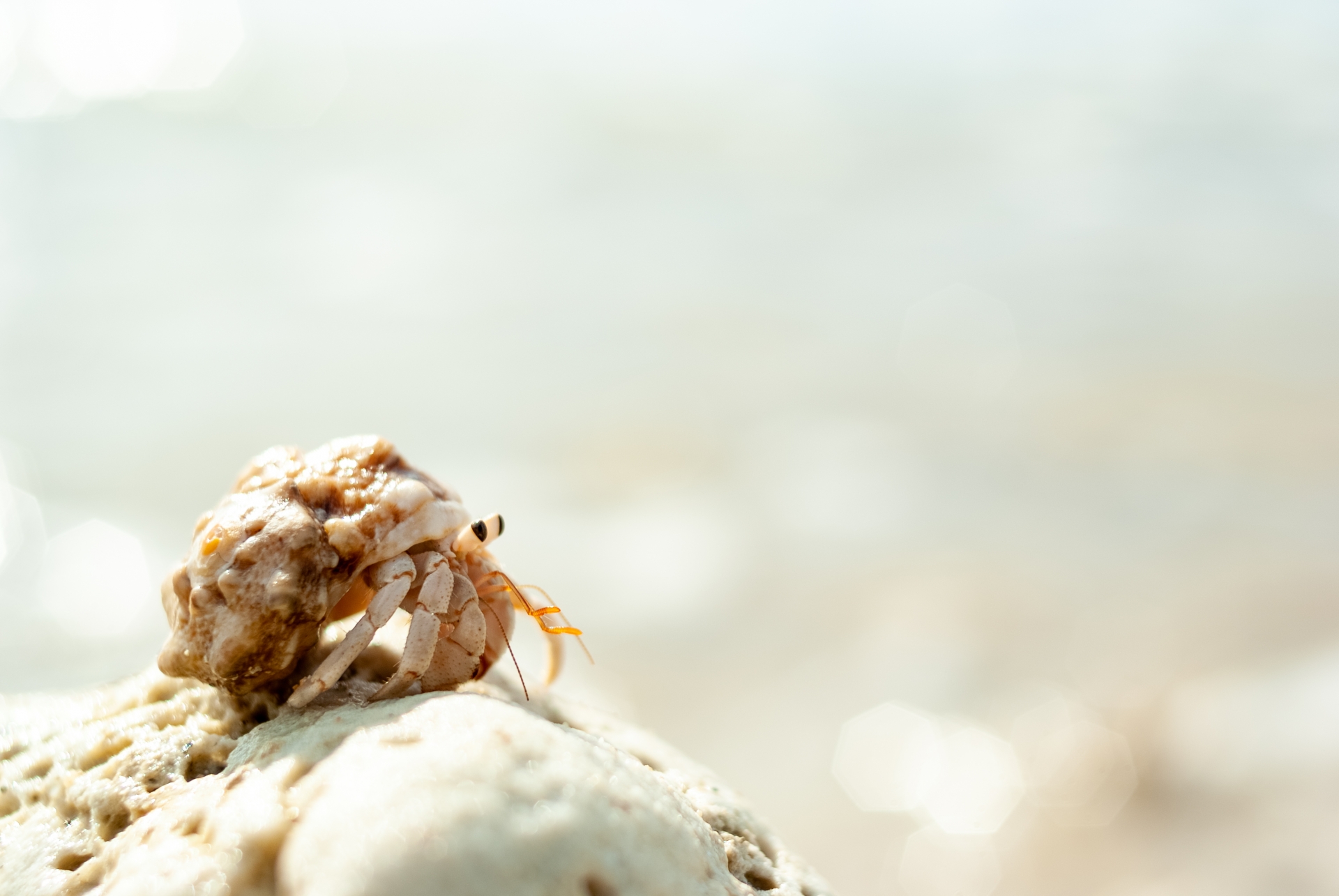
."concave hermit crabs (Coenobita cavipes)is designated as a natural monument,Capturing and taking home is prohibited by law.The company has been
When taking pictures, do not use flash and keep a certain distanceIt is good manners to
Respect for nature as it is in its natural state is the basic attitude required of the observer.
Miyakojima Island: An Illustrated Guide to the Organisms You Can Encounter on a Mangrove Tour
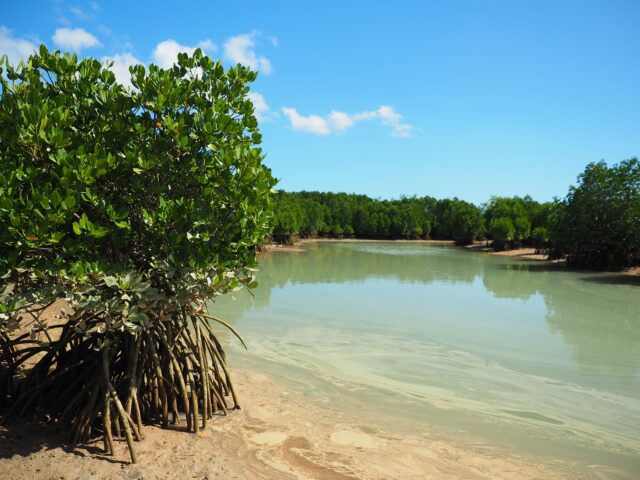
On Miyakojima Island, there is a "Shimajiri mangrove forestThe area is famous for its "Mud Flats," where visitors can observe a wide variety of organisms living in the mud flats and brackish water!
mudspringer
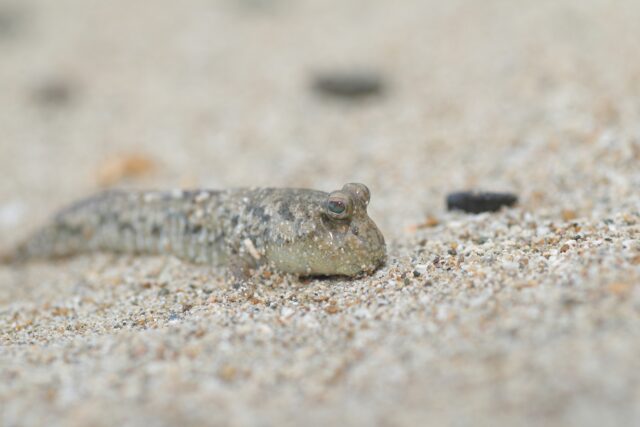
It is a characteristic fish that humorously bounces around in the mud flats,Rare being able to live on both land and waterIt is!
They exhibit unique behaviors such as crawling on the ground using their pectoral fins and jumping.
In the mangrove forests of Miyakojima, you can observe them actively at low tide,A popular object of observation for children and adults alike.It is!
fiddler crab (esp. species Uca arcuata)
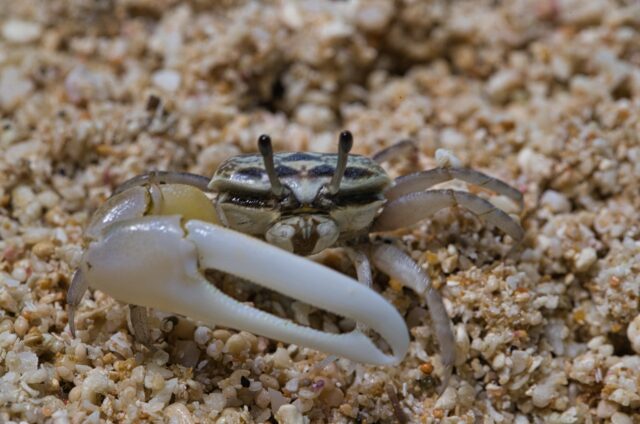
The male of this crab is characterized by the way he raises his large scissors high in the air, and his gesture looks like he is calling out to someone, hence the name "fiddler crab (esp. species Uca arcuata)It is called "the
Commonly found in mudflats and mangrove forests on Miyako Island,Especially at low tide, they are seen working in groups.can be observed.
Bird species such as the Ryukyu Yellow-throated Goat
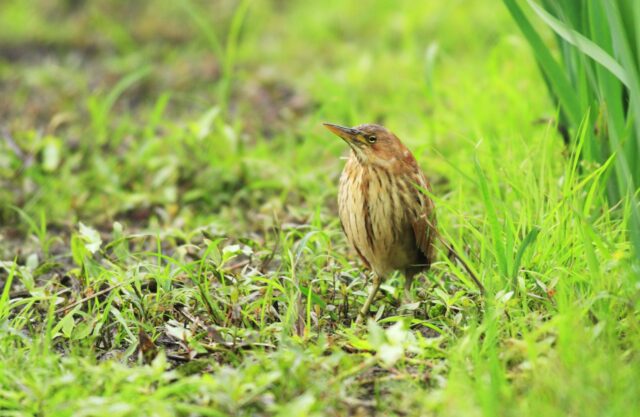
The mangroves are.Popular as a bird watching spotIt's ☆.
On Tour.Low tide is the best time to observeand children can enjoy the nature experience with ease.
Miyako Island Dangerous Species: List of Species to Watch Out for on Land and Countermeasures
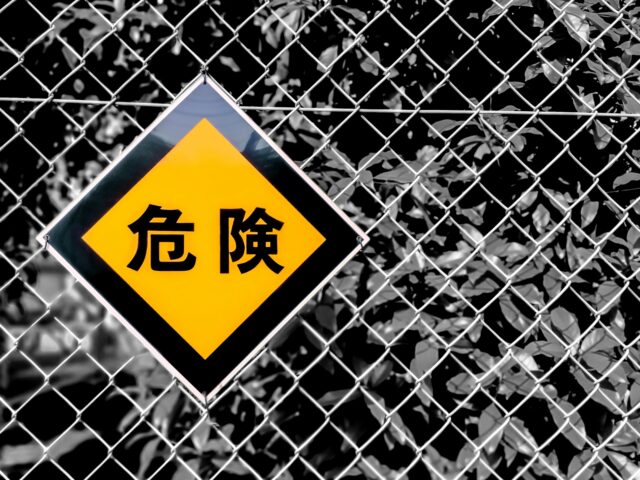
Miyako Island, rich in tropical nature, is home to beautiful creatures as well asHazardous species to watch out for also inhabit the area.I am doing this.
It is safe to wear long sleeves and long pants, protect your feet and hands, and keep your distance from animals and insects.
Learn how to properly handle the situation and ifIf you are stung or bitten by something, it is important to take appropriate action immediatelyIt is.
African myna (species of mynah bird, Acridotheres tristis)The "M" in "M" is a combination of "M" and "A":It is found in moist areas of grass and shade, and can cause brain damage in humans if infected by a caliber infection when in contact with the African mai-mai.
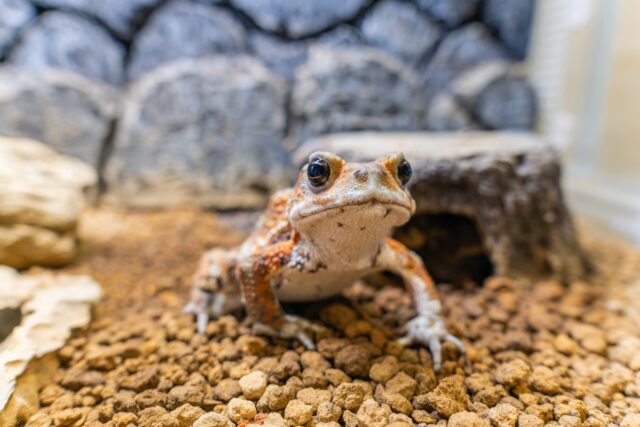
Miyako toad (Bufo gargarizans miyakoi): Often found in bushes, when it senses danger, it produces a white sticky venom from a bulge on the back of its head or from a wart on its body.
Rubbing the eyes or other parts of the body with hands that have been exposed to this poison can cause irritation or even blindness, so be careful not to touch it with bare hands.
First aid and encounter avoidance techniques for bite damage

If stung, wash immediately under running water,Use poison remover if possibleI will do so.
If swelling or difficulty breathing occurs, promptly seek medical attention.The following is a list of the most common problems with the
To avoid encounters, it is important to wear athletic shoes rather than sandals and to avoid walking on grass.
Miyako Island Creatures How to choose a tour
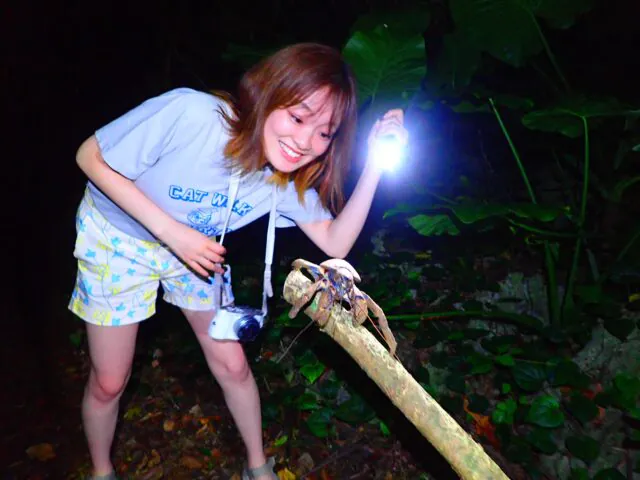
How to enjoy the nature of Miyako Island,Tours with expert guides are recommended.It is!
If you have small children with you, you can use the "Mangrove Canoe Tour" and at night, "Night TourThe plan to enjoy coconut crab, fireflies, and a star-filled night sky in the "☆" section is popular.
Starry sky & subtropical jungle night tour
Is there a zoo in Miyako Island?
Enjoy observing living creatures at alternative spots
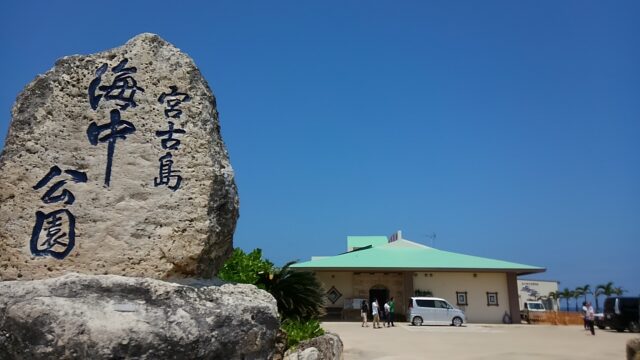
There is no zoo on Miyako Island, but insteadA wide variety of experiences at learning facilities and botanical gardens that make the most of natureI am doing this.
It’s a great tourist spot where you can enjoy nature even on rainy days!
Miyakojima Underwater Park
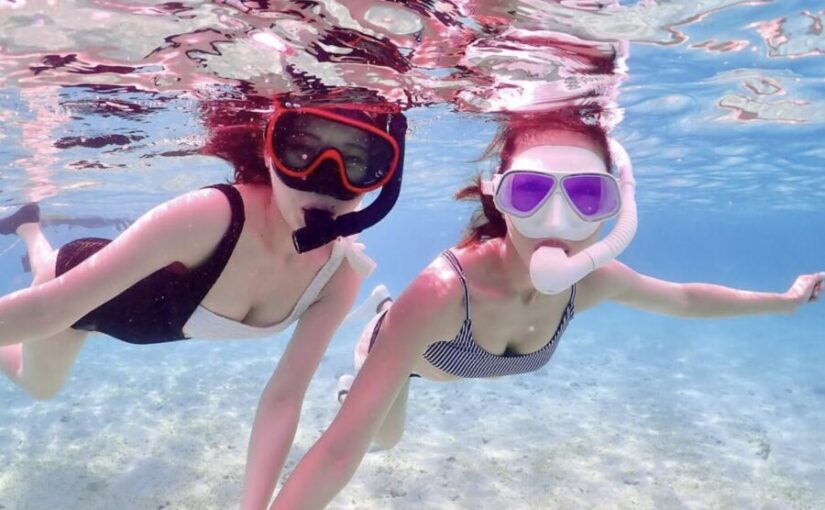
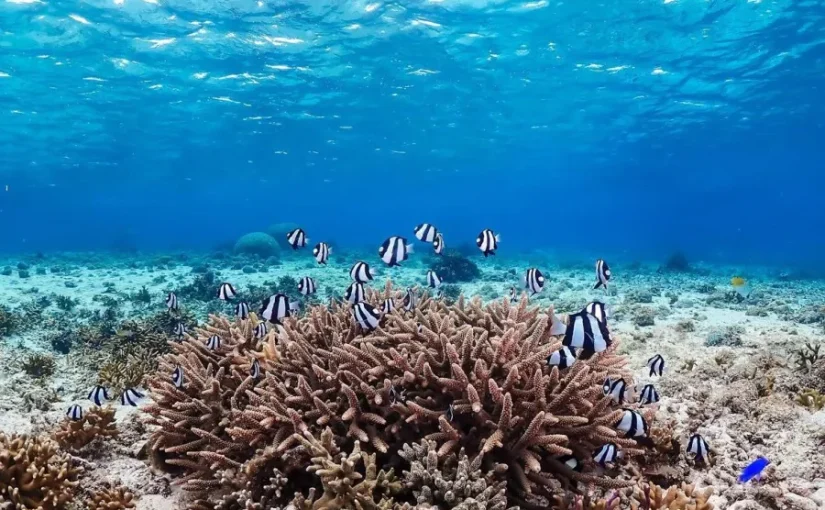
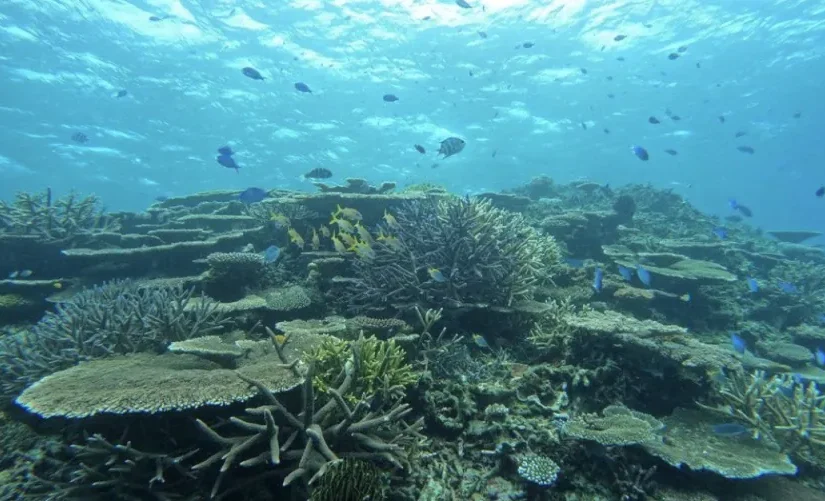
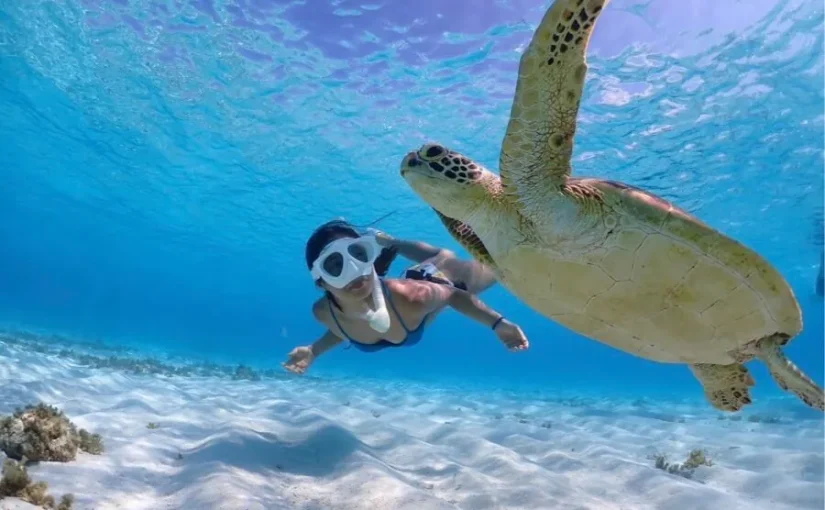
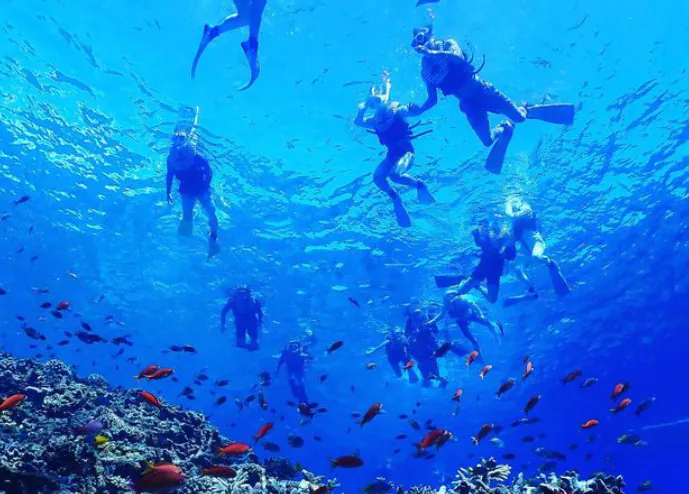
Miyakojima Underwater Park is located on Miyako Island.A tourist destination where you can observe the beautiful sea and abundant marine lifeIt's ☆.
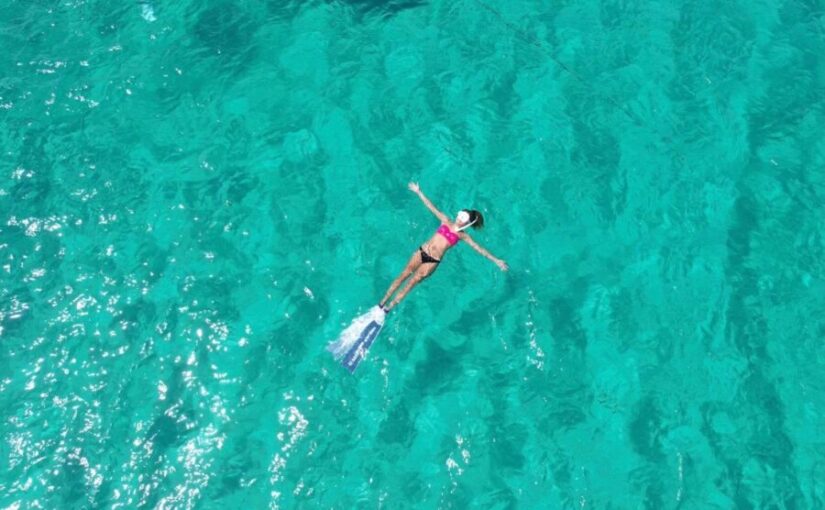
The park features crystal-clear seawater and lush coral reefs, making it easy to enjoy the underwater world through snorkeling or a glass-bottom boat tour!
Families and couples.Popular PlacesIt is!
Access: 25 minutes by car from Miyako Airport
Miyakojima City Experience Craft Village
The Miyakojima City Hands-on Craft Village is located in the Miyakojima City Tropical Botanical Garden, and not only plants but alsoA wide variety of unique Okinawan craft experiences are available.star
There are even trial sessions available for children as young as 3, making this the perfect activity for families and groups!
Access: 10 minutes by car from Miyako Airport
Miyakojima City Museum
The Miyakojima City Museum is located in Miyakojima City,Facilities to learn about the nature, history and culture of Miyako IslandIt is.
The museum has exhibits on the island's flora and fauna, local traditions, and historical heritage,You can learn more about the charms of Miyako Island in depth.Oh my god!!!
Access: 10 minutes by car from Miyako Airport
Miyako Island The Identity of the Weasel
Invasive species issues and their impact on native ecosystems
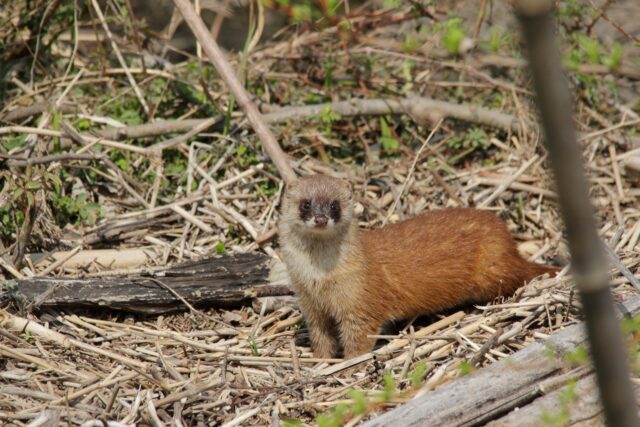
On Miyakojima Island, there is a "short-tailed mongoose (Herpestes brachyurus)and "weasel (esp. the Japanese weasel, Mustela itatsi)was brought in as an exotic species,Damage to native small animals and birds.The following is a list of the most common problems with the
Weasels are nocturnal and may attack crops and chickens.
Declines in native frogs and lizards have also been reported, and care should be taken when observing them.
What to do when you see them Contact information and reporting etiquette

If you see an exotic species,Report to environmental groups and city hallIt is recommended to
Never catch or feed them and help preserve native ecosystems.
Frequently Asked Questions (FAQ) about creatures on Miyako Island
The principle of observation is "just look, don't touch, and don't bring it home.
Avoid approaching nests, young and eggs, feeding, excessive use of flash, and strong lights at night.
Breeding sites and roosts may not be open to the public for conservation purposes.
Please stay out of restricted areas, farmland, and private property, and observe quietly from the boardwalk.
Depending on the species, insects and reptiles are in the warmer months, while amphibians and some crustaceans are after rainy weather,
Bats and other insects tend to be more visible in the evening and at night.
Cancel or reschedule activities during approaching typhoons, high waves, or strong winds, as these conditions make activities more unstable and dangerous.
summary
Each of the remote islands around Miyako Island has its own unique charm!
Some of the islands are a bit more difficult to land on, though,Easy access to most islands by ferry, plane or carCan be done!
Every island is beautiful.Sights rich in nature and characterYou are sure to find your favorite island.
Please visit the remote islands around Miyako Island and experience their charms firsthand☆.
▼Click here for articles to read in conjunction with this one.
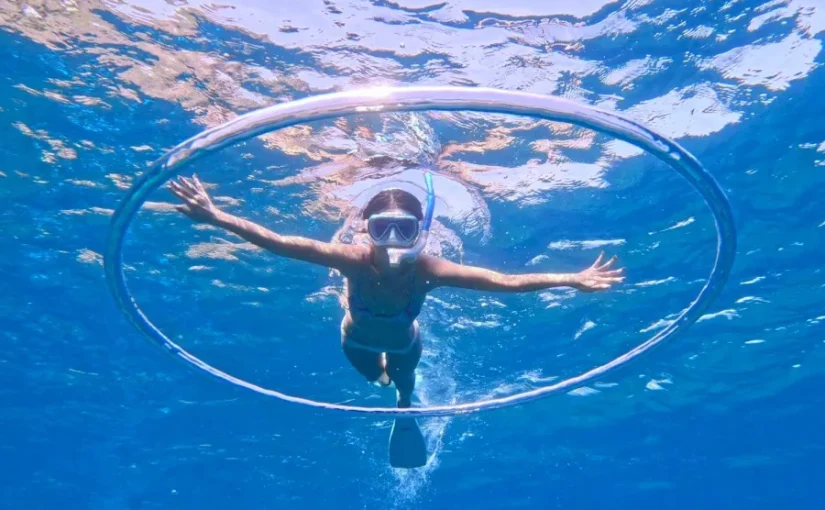

![Miyako Island/Shimoji Island/2.5 hours]Experience diving and snorkeling at the beach in a real natural aquarium (English OK/age 10-80/free photo) (No.865)](https://snorkeling.miyako-tour.com/wp-content/uploads/2024/12/IMG_9001-scaled-e1678758099487-825x510.webp)